
For a young monkey like Lily, staying close to her mother is an important part of everyday life. In the early stages of growth, nursing can be more than simply receiving milk. It is also closely connected with warmth, physical contact, and the familiar presence of a mother.
In this quiet wildlife moment, little Lily appears to be calling for Mom Libby while looking for an opportunity to nurse. Her repeated vocalizations naturally draw attention to the close relationship between a mother and her young. Lily remains focused on Libby, showing how strongly a young monkey can depend on its mother during this stage of life.
Mom Libby’s response is part of their natural interaction. We cannot know exactly what she is thinking or why nursing may not happen immediately, but moments like this are a normal part of a growing baby’s daily experience. As Lily becomes older, her routines will gradually change, and her relationship with her mother will continue to guide her through those changes.
After watching Lily’s gentle calls, the scene offers a small but meaningful glimpse into the daily life of a young monkey. Lily appears eager to stay near Libby and seeks nursing, while her mother remains the center of her attention.
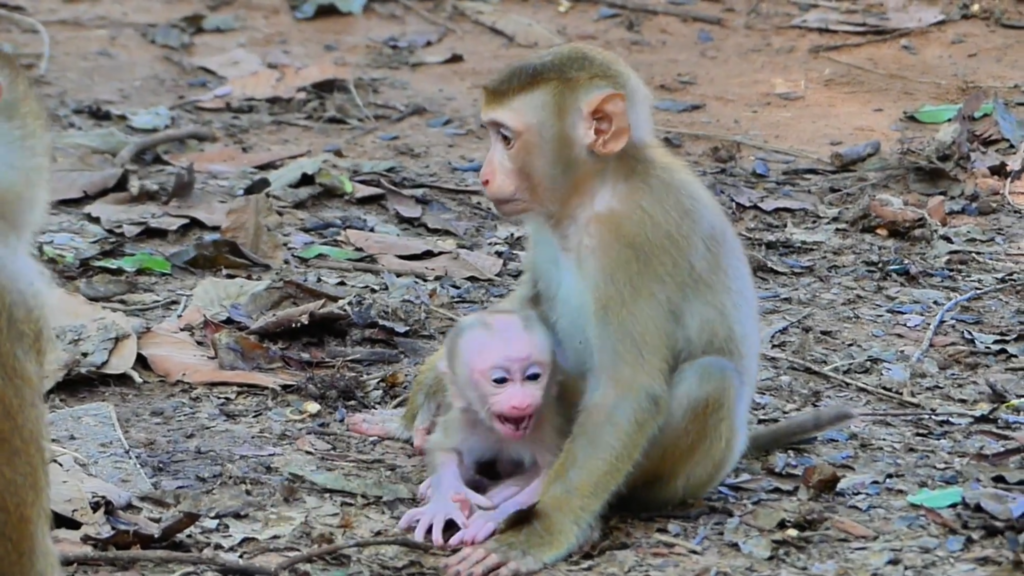
For baby monkeys, growing up happens gradually. Nursing routines can change as a youngster develops, and mothers may sometimes allow nursing at different times or encourage their babies to become more independent. From a short moment on camera, it is not possible to know exactly why Libby does not immediately nurse Lily, so the scene is best understood simply as a natural interaction between mother and baby.
What makes the moment touching is Lily’s persistence in staying close to her mother. Her little calls and movements show a young animal communicating with someone she knows well. These ordinary moments can reveal the gentle rhythm of wildlife family life—closeness, communication, nursing, learning, and slowly growing independence.