
In the quiet surroundings of the wild, a tiny baby appears in an unexpected situation, with a milk bottle nearby. Its small body and delicate movements naturally draw attention, making viewers wonder how it came to be there and whether an adult animal is close by. Without more information, it is difficult to know the baby’s full story. For now, the moment invites us to look carefully, respect the animal’s vulnerability, and remember how much proper care matters for young wildlife.
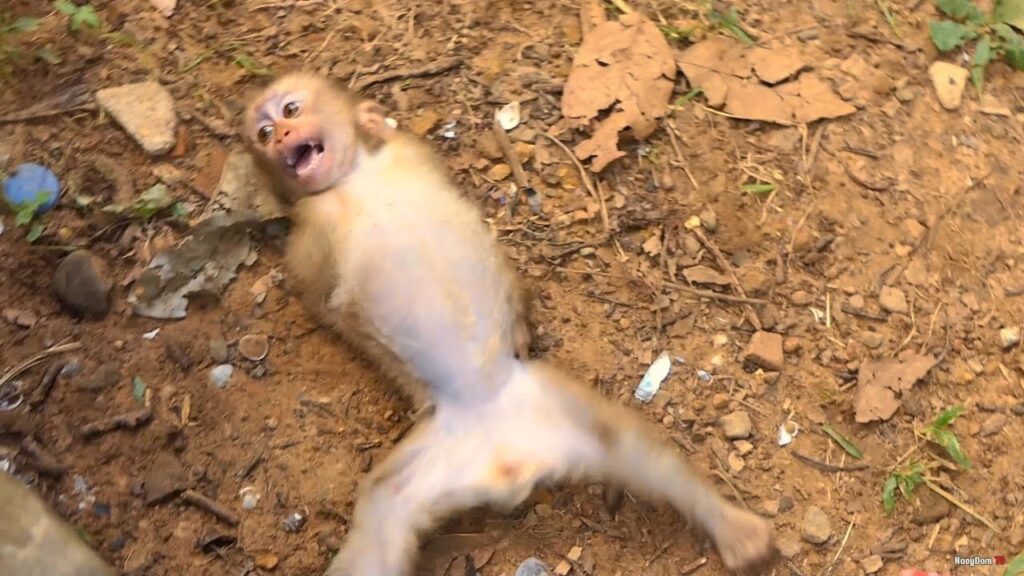
Watching a little animal in an unfamiliar setting can remind us how vulnerable young wildlife may be. The milk bottle adds an unusual detail to this scene, but it does not tell us who placed it there or whether the baby has been abandoned. Those questions require careful observation and reliable information.
If a young wild animal is genuinely alone and appears to need help, contacting a qualified wildlife rehabilitator or local wildlife authority is the safest next step. Feeding or handling it without professional guidance may cause harm. Sometimes, the most compassionate response is to give wildlife the right kind of help while allowing trained rescuers to assess the situation.
Every young animal deserves the opportunity to grow in a safe environment. By sharing these moments responsibly, we can encourage kindness toward wildlife without making assumptions about what happened outside the camera’s view.